The rise of electric vehicles, lightweight design, and shared mobility increases the need for durable and easy-to-clean interior materials.

Polycarbodiimide crosslinkers: Introducing Superfunctional Polycarbodiimide
Why must automotive interiors perform beyond first impressions?
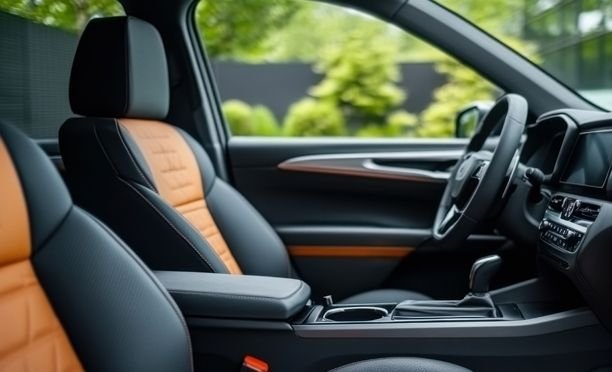
Today’s automotive interiors need to do more than look good at launch. Everyday use, from coffee spills to denim transfer, quickly puts materials to the test. As mobility trends shift towards electric vehicles, lighter interior designs and shared use, anti-soiling performance and cleanability have become essential requirements rather than premium extras.
Key benefits
Advanced crosslinking technology strengthens coating networks, significantly improving:
Stain resistance
Cleanability
Long-term appearance
How does crosslinking technology support automotive coatings?
At the heart of this evolution is crosslinking technology. By creating a stronger and more resilient coating network, crosslinkers help automotive interior surfaces resist staining, improve cleanability and maintain their appearance over time.
This directly supports OEMs, interior designers, leather finishers and coatings formulators in meeting rising expectations around durability and perceived quality.
Supporting more sustainable automotive interiors
Advanced crosslinking technology supports more sustainable automotive interiors by extending material lifespan and reducing maintenance needs. Improved stain resistance and cleanability mean less frequent replacement and lower use of water, energy, and cleaning chemicals over time.
Strenghtening coating networks
Crosslinking technology strengthens coating networks,
helping surfaces:
Resist stains and contamination
Stay cleaner for longer
Maintain their look and feel over time
Innovations such as superfunctional polycarbodiimide crosslinkers (XR-55-400) demonstrate how advanced coatings can enhance durability, cleanability and processing performance for automotive leather and other interior materials.


Syncros®: A new generation of crosslinkers,
for performance and planet
Syncros® XR-55-400 is an advanced chemical solution designed to enhance the performance of aqueous top coats and base coats, offering our customers and their partners numerous benefits, including:
Versatile and adaptable for a range of leather applications
More environmentally friendly alternative to traditional crosslinkers
High resistance to abrasion, scuffs, heat and light
Frequently Asked Questions
Please get in touch and send us your question if it is not listed below.
Why is crosslinking technology important for automotive interior coatings?
- Crosslinking technology is essential because it creates stronger and more resilient coating networks that enhance surface performance. This helps automotive interiors resist staining, improves cleanability, and ensures materials maintain their appearance over time despite daily wear and exposure to contaminants.
How do polycarbodiimide crosslinkers improve coating performance?
What challenges do modern automotive interiors need to address?
How does crosslinking technology contribute to sustainability?
What are superfunctional crosslinkers and why are they relevant?
Which applications benefit from advanced crosslinking technologies?
Key takeaways:
Advanced crosslinking technology supports more sustainable automotive interiors by extending material lifespan and reducing maintenance needs.
The new superfunctional polycarbodiimide crosslinker represents a significant improvement and warrants evaluation by leather manufacturers
About the author:

Dr. André Derksen
Key technical expert within Stahl
Specialized in coating chemistry and innovation, with a strong track record in R&D, patents, and industry thought leadership.
Contact us
